Who speaks each line
Every dialogue line shows its speaker. Reassign it from a menu if the tag was ambiguous or missing.
Multi-voice narration
A multi-voice audiobook gives the narrator and each speaking character a voice of their own, so listeners always know who is talking. Upload your book and the studio finds the speakers line by line, proposes a cast and lets you change any voice before you generate.
EPUB, PDF, DOCX, TXT or MD · up to 30 MB
Read in your browser. Nothing is uploaded until you generate
 Same cast in every book
Each chapter is split into narration and quoted dialogue. A quote is given to a speaker from its dialogue tag, whether the tag comes after (“said Rosa”, “the guard replied”) or before (Rosa said, “…”). In a quick back-and-forth between two people with no tags, lines alternate between them, the way readers follow it.
The characters who speak most become named roles, up to ten per book, and everyone else shares an “Other voices” role. Everything outside quotation marks goes to the narrator. If a line lands on the wrong character, open the speaker menu on that line, pick the right one and regenerate just that line.
EPUB, Word, text-based PDF, TXT or Markdown, up to 30 MB. The cast is worked out across the whole book, not chapter by chapter.
Check the names found in your dialogue, then listen to the voice proposed for each one. Characters are matched on gender where the text makes it clear.
Change any voice, give the narrator the tone you want and add a [direction] to the lines that carry a scene.
Generate a chapter, listen for misattributed lines, then finish the book and export an M4B with chapters or MP3 files.
The more a story is carried by dialogue, the more a cast helps. Here is how common book types compare.
| Book type | Typical speaking roles | What multiple voices add |
|---|---|---|
| Epic fantasy and LitRPG | Eight to ten recurring characters | A large cast is far easier to follow by ear |
| Romance | Two leads, friends and family | Clear contrast between the leads in every scene |
| Thrillers and mysteries | A detective, suspects and witnesses | Each suspect stays recognizable chapter after chapter |
| Children’s books | A narrator, animals and sidekicks | Playful voices that keep young listeners with the story |
| Web serials | A recurring cast over hundreds of chapters | The same voices in every episode |
| Memoir and essays | Few quoted speakers | Often best left to one narrator voice |
Serial writers: the web novel to audiobook page covers casting across a long run.
Casting is automatic, but every decision can be changed by hand.
Every dialogue line shows its speaker. Reassign it from a menu if the tag was ambiguous or missing.
Pick from 137 AI voices for audiobooks and preview any of them before you generate.
The narrator reads most of the book, so choose it with care. In first-person novels, many authors give the narrator and the “I” character the same voice.
Shopkeepers and passing guards share the “Other voices” role, so the main cast stays distinct and easy to follow.
A bracketed note such as [whisper] or [furious] shapes one line without changing the voice that reads it.
Reuse the same cast for book two and onward, so recurring characters never change voice between installments.
Each genre below plays the narrator and character voices the casting tends to choose. Use them as a starting point for your own book.
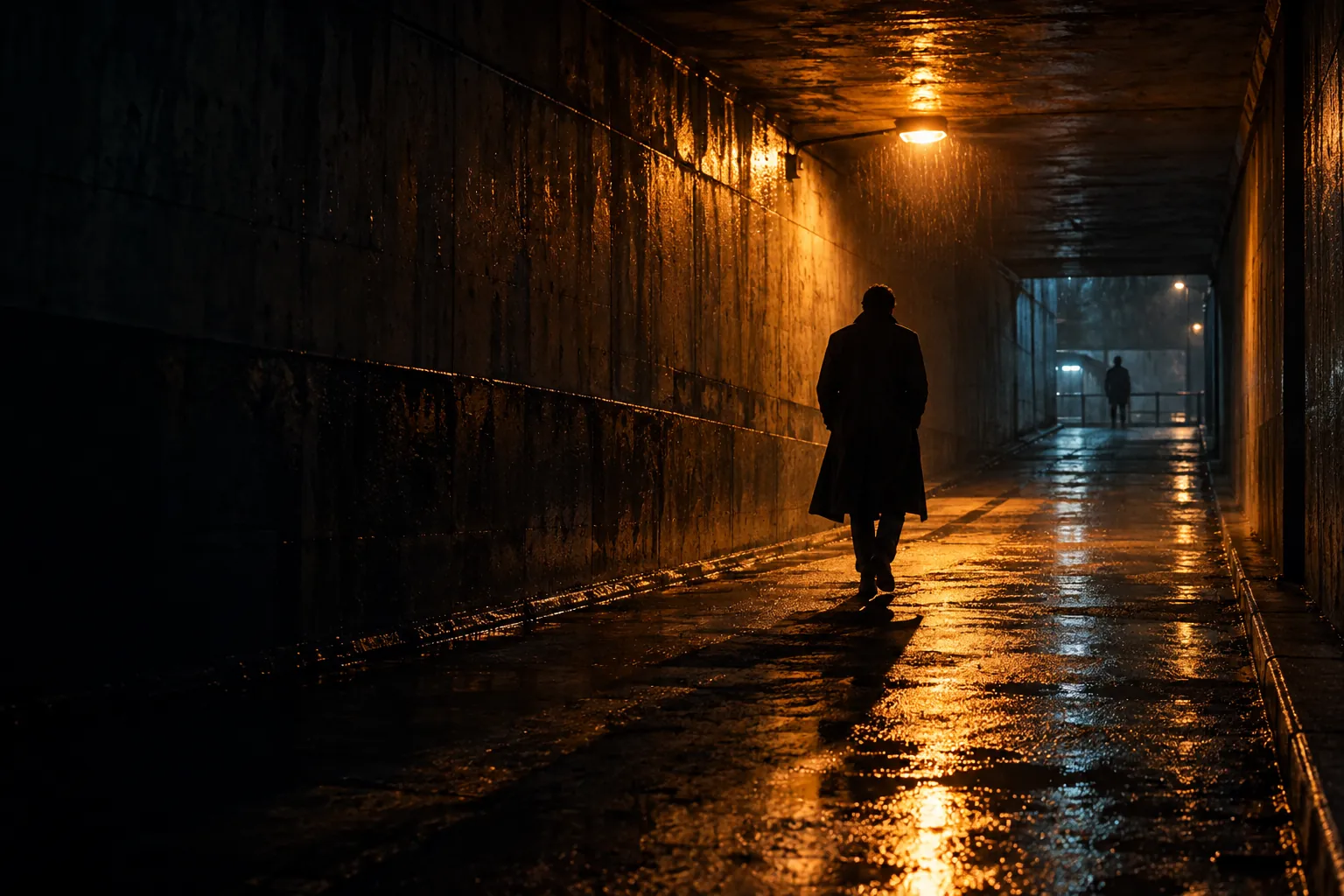

Calm, clipped narration, a villain who never raises her voice and a sergeant who always does.
Premium voicesTap a role to hear its voice.
Thriller audiobook narration guideListeners and stores use several names for books read by more than one voice. This is what each usually means.
| Style | Who reads what | Often found in |
|---|---|---|
| Single narrator | One reader voices the narration and every character | Most retail audiobooks |
| Dual narration | Two readers alternate chapters, usually by point of view | Romance told from two sides |
| Duet narration | Two readers share scenes, each voicing their own character’s lines | Romance and contemporary fiction |
| Full cast | A narrator plus separate performers for the characters | Dramatized editions and audio drama |
| Multi-voice AI | A narrator voice plus an AI voice per character, cast automatically | This studio |
For the trade offs in depth, read full cast vs single narrator.
Tag the tricky scenes. Detection is strongest when dialogue has tags. Long untagged exchanges between three or more people are where a line can land on the wrong speaker, so listen closely to those scenes and reassign any line that slips.
Give voices to the characters who talk most. Ten named roles covers the main cast of nearly any novel. A character with three lines is better in “Other voices” than with a voice listeners have to learn.
More voices do not cost more. Credits are charged per 1,000 characters of text, whichever voice reads them, so a full cast costs the same as a single-voice reading on the same model: roughly $9 to $12 per finished hour with Standard voices.
Test with one chapter first. Taste varies: many listeners love a cast for dialogue-heavy fiction, while some prefer one narrator. An audiobook sample chapter sent to a few readers settles it before you voice the whole book.
Start from a clean file. An EPUB keeps chapters and quotation marks intact, which helps both chapter detection and casting; the EPUB to audiobook page explains why.
Usually a full-cast or dramatized audiobook. With two narrators it is called dual or duet narration, depending on whether they alternate chapters or share scenes. AI tools often call it a multi-voice audiobook, with a narrator and a separate voice per character.
No. Credits are charged per 1,000 characters on the voice model you choose, not per voice. A book with eight character voices costs the same as the same book read entirely by the narrator.
Open the speaker menu on that line in the AI audiobook generator, choose the right character and regenerate only that line. The rest of the chapter keeps its audio, so a fix takes seconds and a few credits.
In a back-and-forth between two characters, untagged lines alternate between them. When three or more people talk without tags, check the scene by ear and reassign any line that lands on the wrong speaker.
Yes. Pick the same voice for both roles. It suits first-person novels, where the narrator is the main character. Other characters still get voices of their own, so their dialogue stays easy to follow.
Tastes differ. Many listeners enjoy a cast for dialogue-heavy fiction because it is easy to follow, while others prefer one narrator. A short sample using gift credits played to a few of your readers is the quickest way to find out.

Upload a chapter, watch every speaker get cast automatically and generate it with 100 gift credits (valid for 7 days, about 12 minutes on Standard; usage varies by text and voice tier) when you sign up with Google.