
Banter and sarcasm
Most of it needs no direction at all. Save [deadpan] for the one line where the joke falls flat without it.
YA audiobooks
A young adult audiobook lives inside one teenager’s head: first person, often present tense, quick, funny and raw. Cast a narrator who sounds like that lead rather than a parent reading aloud, give the friends, rivals and adults voices of their own, and keep them all for the sequel.
EPUB, PDF, DOCX, TXT or MD · up to 30 MB
Read in your browser. Nothing is uploaded until you generate

Much of YA is told by its protagonist, so the narrator is not a neutral storyteller but the main character. The casting choice that matters most is also the first one you make. Listeners spend the whole book in that voice’s head, and if it sounds forty, the book sounds wrong.
Look for a voice that sounds young without sounding childish: natural rhythm, a bit of attitude, clear emotion. The narrator role reads everything outside the quotation marks, so choose it to match your lead and give the lead’s own dialogue the same voice. Narration and dialogue then feel like one person.
When a book alternates between two narrators, as many YA romances and fantasies do, each POV needs a voice of its own. The romance audiobook narration page shows how to set up two POVs with one project per lead.
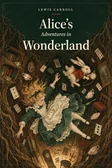
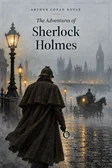 Same cast in every book
Around the lead, YA casts tend to fall into three circles. The friend group carries the banter and needs quick, varied voices close to the lead’s age. The rival or love interest shares the biggest scenes with the lead and must contrast clearly. The adults (parents, teachers, mentors) should sound older, which helps listeners place them instantly.
Speaking characters are detected from dialogue tags and matched on gender where the text is clear. Classmates and walk-ons can share “Other voices”, leaving the ten named slots for the people who matter. If the detection splits one friend into two roles, say “Jess” and “Jessica”, reassign the stray lines to a single role.
This player starts on the romance line-up. Emma, the upbeat best friend, is the youngest-sounding of the three and a good model for a teen voice; Bella narrates and Felix plays a warm British love interest. Writing YA fantasy? Switch to the Fantasy tab.




Warm, close narration and two leads who sound like they mean every word.
Premium voicesTap a role to hear its voice.
Romance audiobook narration guideYoung adult audiobook narration covers almost every genre, with a teenage lead at the centre. The narrator stays young; what changes is the tone around them.
| Subgenre | Narrator | Watch for |
|---|---|---|
| Contemporary | Natural, conversational, a little wry | Slang that dates fast or reads oddly aloud |
| YA fantasy | A young voice inside an epic world | Invented names; see fantasy audiobook narration |
| Dystopian | Guarded and observant, flatter in early chapters | Long world-building passages; break them up |
| YA thriller | Tense, clipped, unreliable at times | Twists that need a line of their own |
| Verse novels | Slow and deliberate, honouring line breaks | Keep each stanza as its own paragraph so the pauses survive |
| Diaries and texts | Close and casual | Group chats with many speakers |
Middle grade sits between picture books and YA. For younger readers, see children’s audiobook narration.
Young adult audiobooks swing from jokes to heartbreak within a page. A note in square brackets at the start of a line sets the delivery for that line only.
Most of it needs no direction at all. Save [deadpan] for the one line where the joke falls flat without it.
Awkward and hopeful beats smooth. Use short lines, a [nervous, quiet] note and an inline [laugh] where the lead laughs at themselves.
Let the teen get louder while the parent stays steady. That contrast does more than two raised voices ever could.
Pull back rather than push. Put [barely holding it together] on the key line and leave the narration around it plain.
A chat log full of usernames and emoji reads badly aloud. Swap handles for names and keep key messages one per line, such as “Zoe: wait what”, so each sender is voiced, or summarise the thread in narration.
Abbreviations such as “ngl” or “tbh” are read as letters or guessed at. Write them the way your lead would actually say them out loud.
Italic inner thoughts are read by the narrator, which in first person is the lead anyway. In third person, add a short tag if a thought could pass for narration.
Alternating POV books should put the narrator’s name in each chapter title. It becomes a chapter marker, so listeners always know whose head they are in.
Run through this list on the first chapter of your young adult audiobook before you generate the rest.
Length and cost. A 60,000 word YA novel runs about six and a half hours, roughly $60 to $80 with Standard voices. Uploading and casting cost nothing, so the lead can be auditioned first.
Characters who grow up. YA series often age their cast a year per book. Keep the voices, and if the lead should sound older by book four, swap in a slightly more mature voice for that role rather than recasting everyone.
Schools and online readers. Teachers often pair audio with class texts; for that setup see classroom read aloud. If you post chapters online, Wattpad to audiobook covers turning them into audio.
Share a sample. Short clips are an easy way to reach YA readers. Upload the manuscript to the AI audiobook generator, generate a short sample with the 100 gift credits (valid for 7 days, about 12 minutes on Standard; usage varies by text and voice tier) that come with a Google sign-up, and share it before the full release.
One that matches the lead: young, natural and emotionally clear, not a mature storyteller. Because so much YA is first person, the narrator and the protagonist are effectively one character, so cast the same voice for the narration and the lead’s dialogue.
Several voices in the library sound young, and a youthful, energetic voice with natural rhythm usually reads as a teen. Avoid cartoonish or childlike voices for YA, which suit picture books better. Preview your shortlist on a scene full of banter.
Keep only the messages that move the story, replace usernames with names and set each message on its own line as Name: message. Two or more lines like that together are voiced by each sender. Emoji and abbreviations should become words or be cut. A chat of twenty messages rarely needs more than five.
Yes. Middle grade readers are roughly 8 to 12, so narration is a little slower and gentler, with bigger contrasts between voices. YA leads are older, the tone is more intense, and listeners expect more attitude and emotional range from the narrator.
For short books, often yes; for a full novel, usually not. Standard voices keep a full-length book affordable and handle dialogue well. Expressive voices add laughter, sighs and whispers to emotional scenes but cost nearly four times as much per finished hour, so they suit novellas and short stories best.

Hear the short sample of your young adult audiobook free, with the lead and the friend group cast. No card needed.