
Whole-class novel study
Play the chapter while students follow in their copies, then pause the file for discussion at the moments you planned.
For teachers
Upload the class novel, a short story or a play script with parts and get classroom read aloud audio with a calm narrator and a distinct voice for each character. Every chapter becomes its own MP3, so students can catch up after an absence, listen at a station, or follow along in the printed book.
EPUB, PDF, DOCX, TXT or MD · up to 30 MB
Read in your browser. Nothing is uploaded until you generate

Public domain works, materials you wrote yourself and texts whose license covers audio are safe ground. A copyrighted novel your class reads usually needs permission before you record and share it, even inside a school. Rules and education exceptions vary by country, so check with your librarian or district; the audiobook rights guide explains the basics and is not legal advice.
Download a public domain classic as EPUB from Project Gutenberg or Standard Ebooks, or open your own story, passage set or script in Word.
EPUB, DOCX, text-based PDF, TXT and Markdown files up to 30 MB open in your browser. Scanned worksheets are page images and cannot be read, since there is no OCR.
Choose a steady narrator, then check the voice given to each character. Distinct voices help students follow who is talking without seeing the page.
Download one MP3 per chapter to post in your learning platform, a ZIP of the whole book, or an M4B with chapter markers for a listening device.
Hear the warm narrators and playful character voices a children’s cast tends to get, then pick the ones that suit your grade level.
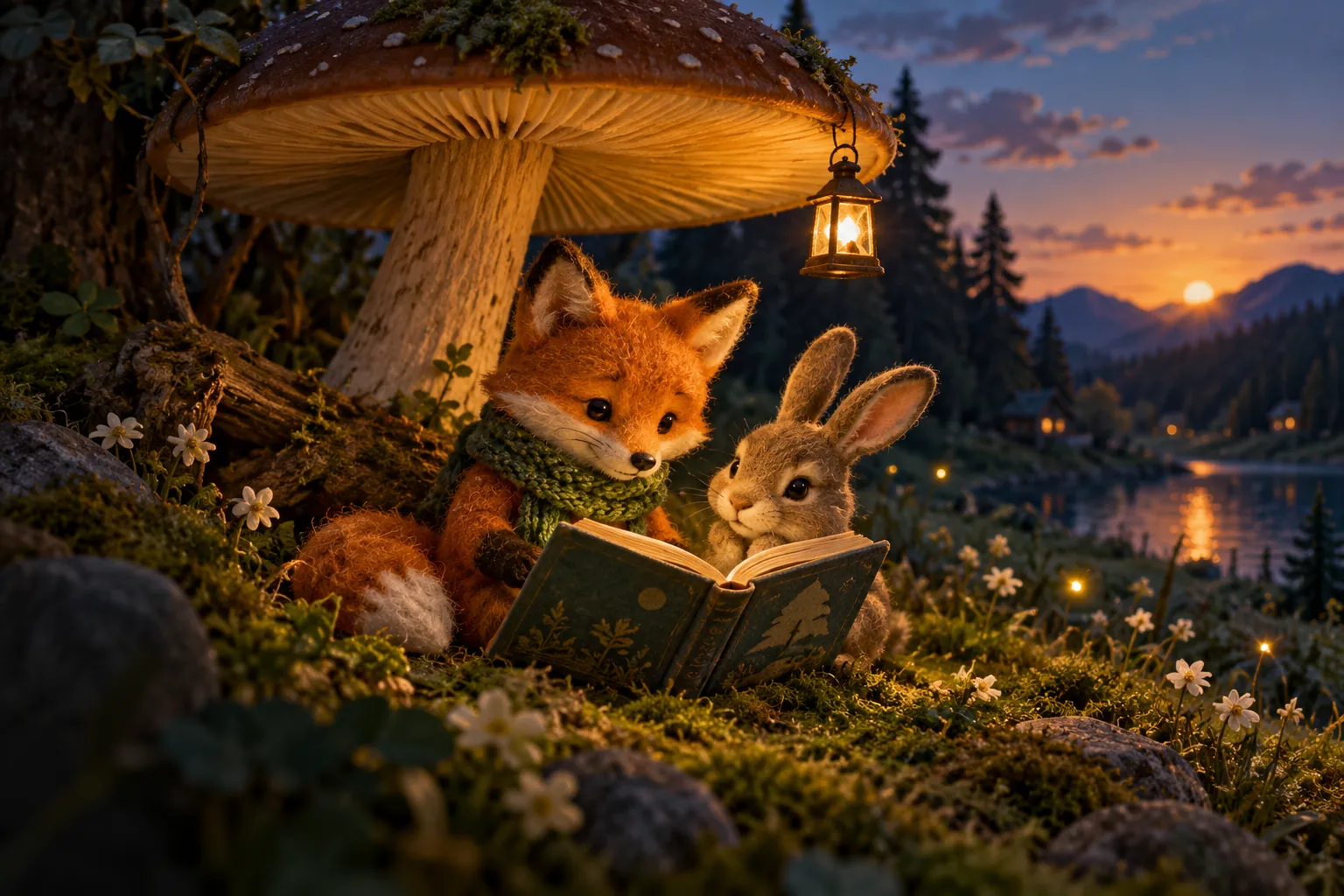



Soft, patient storytelling with an eager young hero and a funny old professor.
Premium voicesTap a role to hear its voice.
Children's audiobook narration guidePlay the chapter while students follow in their copies, then pause the file for discussion at the moments you planned.
A listening station runs on its own when every class read aloud chapter is a separate file with a clear title, freeing you for a small group.
Post the chapter MP3s in your learning platform so a student who missed three days can catch up at home before the next lesson.
For a play or a reader’s theater script, each part gets a voice, so students hear the whole scene modeled before they rehearse it.
Hearing a text while reading it helps with pronunciation and phrasing. The voice library covers 13 languages for home-language versions of your own materials.
MP3 files play on any phone, tablet or laptop, with no account needed to listen, so families can play the chapter in the car.
All of these are in the public domain in the United States. Check the status in your country before you share audio.
| Text | Often taught in | Why it works aloud |
|---|---|---|
| Aesop’s Fables | Grades K to 2 | Short, with a clear moral and talking animals |
| The Wonderful Wizard of Oz | Grades 2 to 4 | A big, distinct cast for a voice per character |
| The Secret Garden | Grades 4 to 6 | Dialect and dialogue that are easier heard than read |
| The Call of the Wild | Grades 6 to 8 | Strong narration with little dialogue |
| A Christmas Carol | Grades 7 to 9 | Ghosts and a memorable narrator voice |
| Frankenstein | High school | Nested narrators that a voice change makes clear |
For plays, see the Shakespeare audiobook page. For whole books, the public domain audiobook maker covers sources and cleanup.
 Same cast in every book
An EPUB’s own table of contents sets the chapter list, and front matter such as the title page, contents and the Project Gutenberg license is set aside, so chapter one starts with the story. In a Word document, Heading 1 and Heading 2 styles mark the chapters.
Name your headings the way you name your lessons, such as “Chapter 3: The Locked Door”. Those titles carry into the file names and the M4B chapter markers, which makes it easy for students to find the right track.
Pair the audio with the print. Read aloud audio works best alongside the text, with students following in their copies. It does not replace your own reading aloud; it frees you to read the chapters you most want to perform and lets the recording carry the rest.
Set a pace for the age group. Narration runs at about 150 to 160 words per minute. Most media players let students slow playback down, and on the Standard, Lite and Expressive models a direction such as [slowly and clearly] at the start of a line asks for a gentler read.
Access for students who need audio. Some students rely on audio to reach grade-level texts. If a student has an accommodation plan, follow your school’s process, and see audiobooks for dyslexia and language learning audiobooks for related approaches.
What a class novel costs. Turned into classroom read aloud audio, a 30,000 word middle grade novel runs about three and a quarter hours, roughly $30 to $40 with Standard voices and less with Lite. Importing, chapter detection and casting are free, and a Google sign-up comes with 100 gift credits (valid for 7 days, about 12 minutes on Standard; usage varies by text and voice tier) for a short sample.
No student data needed. You upload a class text, not student names or records. Only the lines you generate are sent to the speech model, and nothing you upload is used to train AI models. Your own story collections work the same way in the AI audiobook generator.
Usually not without permission, even for one class. Public domain works and your own materials are safe, and some licenses or education exceptions allow audio, depending on where you teach. Ask your librarian or district before you share a classroom read aloud of a copyrighted book.
No. Scanned pages are images, and there is no OCR, so the text cannot be read. Use the original document instead, such as a DOCX or a text-based PDF where you can select the words, or type the passage into the paste box.
No. Read aloud recordings export as ordinary MP3 or M4B files. Post them in your learning platform, share a folder, or copy them to a listening device, and students play them like any other audio file.
Paste it as written, with each speech starting on a new line with the part name in capitals and a colon, such as WOLF: Little pig, let me come in. Each named part becomes a role you can cast, and stage directions on their own line are read by the narrator. Quoted dialogue with tags works too.
If you have the translated text and the right to use it, yes. Pick a narrator from the voice library in that language; 13 languages are covered, with English the most polished. Listen to a sample chapter before you share it with families.
Upload a class text and hear your classroom read aloud free for a short sample, no card needed.