
Fast first listens
Hear a rough chapter on Lite to judge momentum before you spend a week polishing sentences that might be cut.
For novelists in revision
Paste a scene and hear it the way a reader will: a narrator for the prose and a separate voice for each character. Text to speech for writers works best as a revision pass, because your ear catches the sentence that runs too long, the word used three times in a paragraph and the line of dialogue nobody can place.
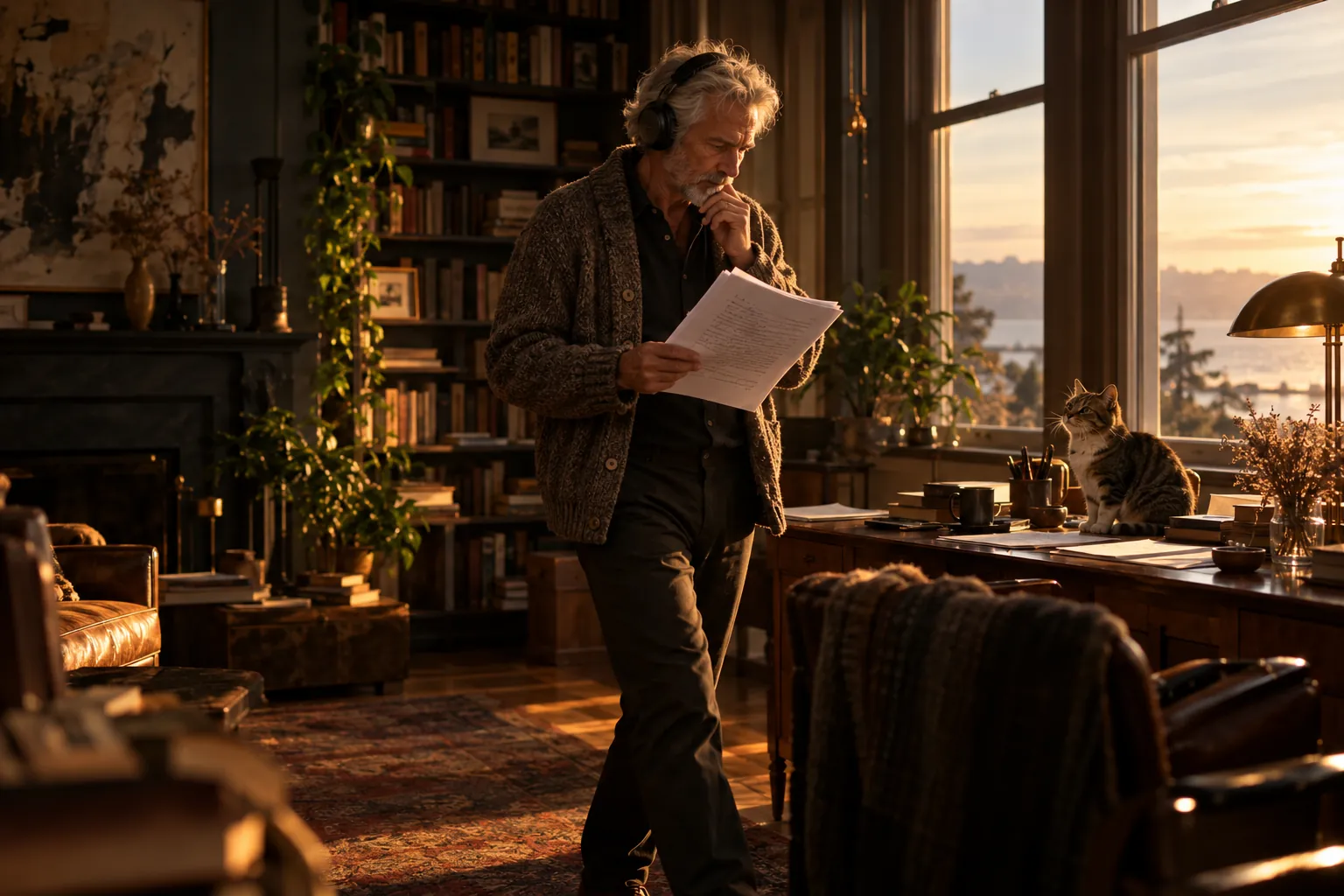
One chapter at a time works best. Keep the text open beside the player and make notes as you go.
Copy it from Word, Scrivener or Google Docs, or upload a DOCX, TXT or Markdown export. Headings such as “Chapter 9” split a longer paste into chapters.
Pick the Lite model at 6 credits per 1,000 characters. It is made for drafts, and a revision listen does not need the most expressive voice.
Characters are detected from dialogue tags. A line that lands in “Other voices” or with the wrong character is worth a second look in the manuscript.
Rewrite the sentence in the studio, regenerate only that line and hear the new version in place, then carry the change back to your manuscript.
Listening is a different kind of attention from reading. It is strong on sound and weak on anything silent.

 Same cast in every book
Each quoted line is matched to a speaker from its tag, then read in that character’s voice. When a line of dialogue jumps to the wrong voice, or to the shared “Other voices” role, ask whether a reader could lose track at the same spot. Long exchanges with no tags are the usual cause.
Treat it as a flag, not a verdict. The detector looks for speech verbs such as said, asked and whispered, so an action beat like “Maya grabbed her coat.” before a line is not read as a tag, even though readers follow it fine. You can move any line to the right character from its speaker menu and keep listening.
Hear a rough chapter on Lite to judge momentum before you spend a week polishing sentences that might be cut.
Paste a single scene, listen, rewrite and paste the next. Small batches keep notes manageable and credits low.
Change one sentence and regenerate only that line, so you can compare the old rhythm with the new without re-listening to the chapter.
A last listen before beta readers or an editor catches the slips that would otherwise fill their margins.
Most writing apps include some form of read-aloud; check yours for current options. Both are useful, for different passes.
| Cast in the studio | Built-in read-aloud | |
|---|---|---|
| Voices | Narrator plus a voice per character | Usually one voice |
| Dialogue check | Shows who each line is assigned to | Not shown |
| Files for a walk | MP3 per chapter, ZIP or M4B | Plays live in the app |
| Starting time | A few minutes per chapter | Instant |
| Cost | Credits per 1,000 characters, short sample free | Free with the app |
Writing in a word processor? See Word to audiobook or Google Docs to audiobook for export tips.
A neutral, steady narrator makes problems easier to hear than a showy one. Play a few and choose the one you can listen to for an hour.

Full-cast AI audiobook
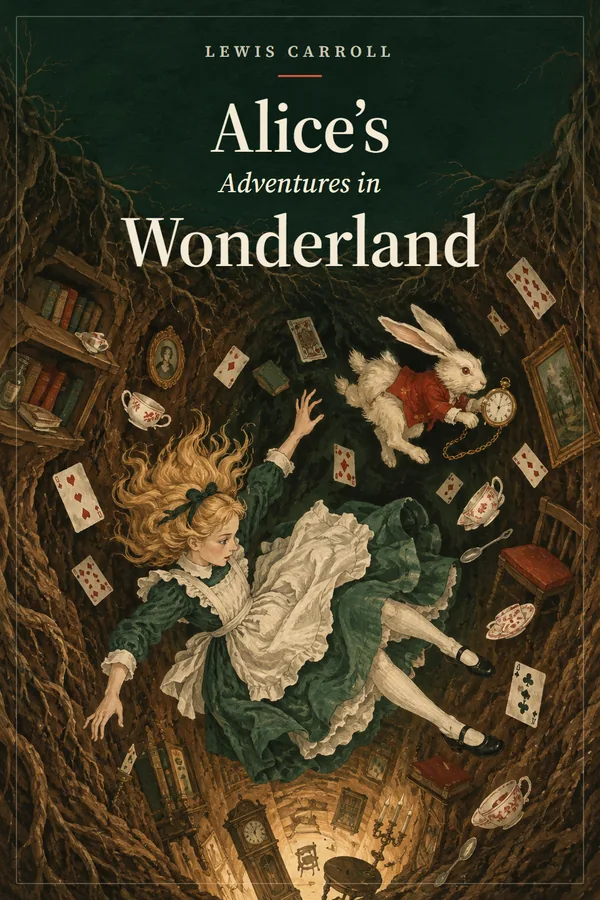


Transcript
Playlist
Normal speed first, faster later. The first pass should run at normal speed, because rhythm problems hide when audio is sped up. On a second pass, most audiobook players let you raise the speed and listen only for the fixes.
Change the narrator between drafts. After three passes with the same voice, your ear starts to smooth over problems. A different narrator on the next draft gives you fresh ears for free, since voices can be swapped before you generate.
What a full pass costs. A 90,000 word novel is about nine and a half hours of audio. On Lite that is roughly $60 to $80, on Standard about $85 to $115. Pasting and casting are free, and you get 100 gift credits (valid for 7 days, about 12 minutes on Standard; usage varies by text and voice tier) for a short sample when you sign up with Google, no card needed.
Names and invented words. If a voice mangles a character name, respell it in the line where it trips, or read the audiobook pronunciation guide for a system that works across the book. Hearing names aloud early also tells you which ones readers will stumble on.
Your draft stays yours. Only the lines you generate go to the speech model, and manuscripts are never used to train AI models. When the book is final, the same project can become an edition through manuscript to audiobook, and screenwriters can try an AI table read instead.
No. It is excellent at repeated words, missing words and real-word typos such as form for from, but homophones sound identical and most punctuation is silent. Use a listening pass alongside a careful read, not instead of one.
Compile or export the chapter to DOCX, plain text or Markdown and upload it to the AI audiobook generator, or copy a scene and paste it in. Put a heading such as “Chapter 9” above each chapter in a longer paste so each one becomes its own track.
Usually, yes. Lite, at 6 credits per 1,000 characters, is made for drafts and long passes. Switch to Standard when you want to judge how dialogue lands with more natural expression, and save Premium or Expressive for a finished audio edition.
Speakers are found from tags that use speech verbs such as said or asked. Untagged lines in a long exchange, or lines introduced by an action beat, can be assigned to the wrong person. Reassign the line from its speaker menu, then decide whether the manuscript needs a clearer tag.
Your file is parsed in the browser, only the lines you generate are sent to the speech model, and manuscripts are never used to train AI models. Projects are saved in your browser under My Audiobooks rather than in a shared library.

Paste a scene and try text to speech for writers free for a short sample, no card needed.